
Where to Watch the 2026 Solar Eclipse in Spain (+ Where to Stay)
Where to Watch the 2026 Solar Eclipse in Spain (+ Where to Stay)
On August 12, 2026, Spain gets one of the most dramatic astronomical events of the decade: a total solar eclipse happening at sunset. The path of totality crosses major cities including Bilbao, Santander, Valladolid, Burgos, Zaragoza, and Valencia meaning you don't have to hike to a remote hillside to see it. You just need to be in the right city, with a clear western horizon, and ideally a cold drink in hand.
I've lived in Barcelona long enough to know how to roadtrip this peninsula. Here's where I'd go, and where I'd sleep.
What makes this eclipse unusual
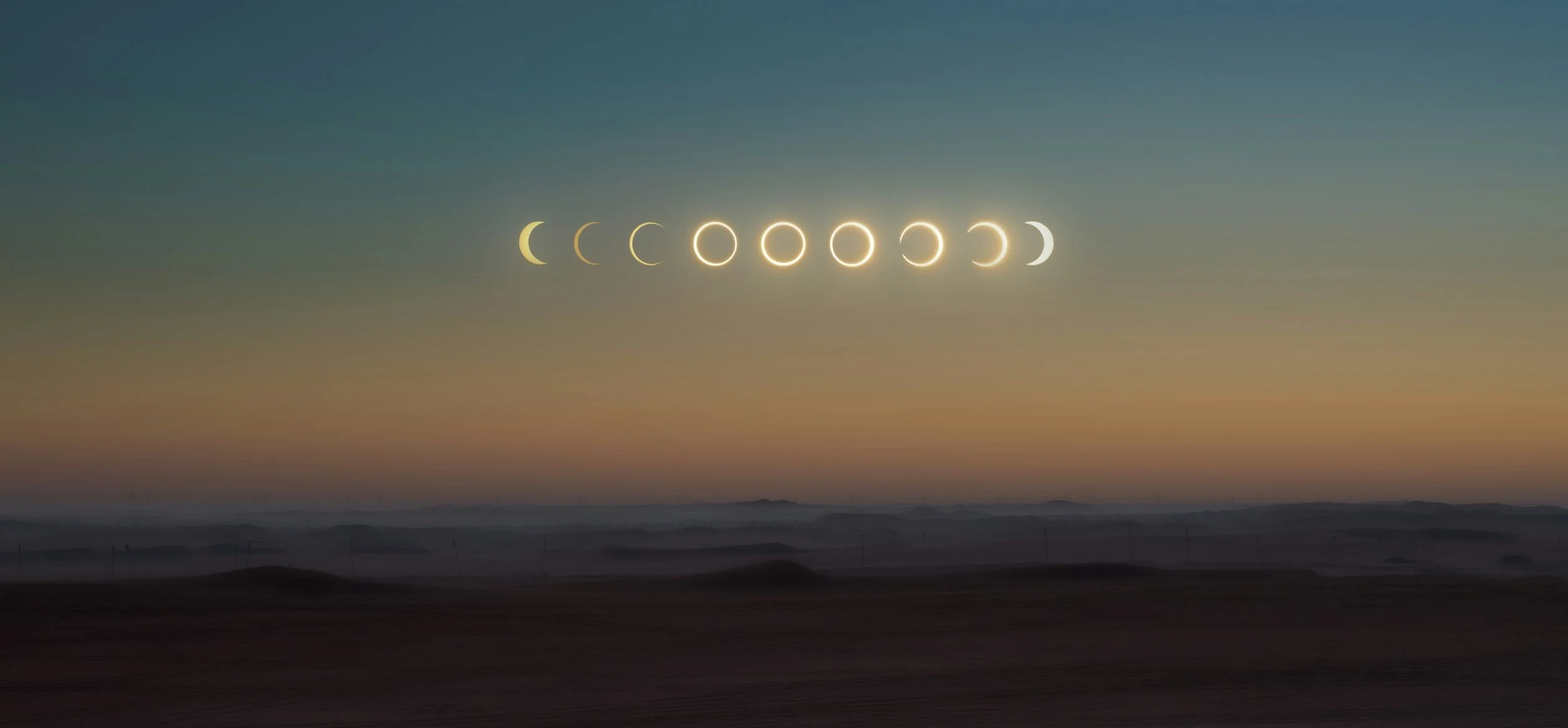
From Spain, the eclipse occurs at sunset. The Sun will be just 11° above the western horizon when the Moon's shadow first reaches Galicia at around 20:26 local time. That low angle creates something you won't get from most eclipses: a totality framed against a burning orange sky. The tradeoff is that you'll need a flat, clear western horizon and even a low hill or a line of trees can block the view. Choose your spot carefully.
Hotels in the path of totality are already under pressure, with some northern Spanish towns seeing prices double or triple for the week of 10–14 August. Book refundable rates so you can move if the forecast turns.
Zaragoza — the best all-round bet on the mainland
Zaragoza is widely considered one of the best cities in Spain for viewing the 2026 total solar eclipse. Located in the Ebro River Basin, it benefits from some of the most reliable clear-sky conditions in the country during August, and its position within the eclipse path, excellent transport connections, and rich cultural heritage make it a top-tier choice.
Observers in Zaragoza will experience approximately 1 minute 42 seconds of totality, with only around 22% average cloud cover and temperatures around 26°C. For a mainland city, those are as good as the odds get.
The Plaza del Pilar, one of Spain's largest squares, offers a massive open area right in the city center with views toward the horizon over the Ebro River, and the Basilica provides a stunning foreground for eclipse photographs. The city is expected to organize a major public event here.
Zaragoza is a major transport hub with high-speed AVE trains connecting it to Madrid in 1h 20m and to Barcelona in 1h 30m. From Barcelona, this is genuinely the easiest day trip you'll ever take to see the moon eat the sun.
Where to stay in Zaragoza:
NH Collection Zaragoza Gran Hotel — historic building, steps from Plaza del Pilar
Palafox Hotel — classic four-star with rooftop views
Hotel Sauce — central, good value, easy walking to the river
Eurostars Don Yo — mid-range with great city access
Zenit Zaragoza — reliable and well-located
Burgos — for the flattest horizon on the meseta
The region near Palencia and Burgos is relatively flat and the eclipse there will occur higher above the horizon than anywhere else on the path, which means more margin for error if you're not right on the water. Burgos also has the cathedral, the medieval streets, and one of the best roast lamb restaurants in Spain (Mesón del Cid, if you're asking). The eclipse path crosses directly through Burgos and León, both key stops on the Camino de Santiago, which means the infrastructure is solid and the scenery is genuinely beautiful.
Where to stay in Burgos:
Abba Burgos Hotel — comfortable four-star near the cathedral
Mesón del Cid — historic hotel with cathedral views (and that lamb)
Hotel Eurostars Centro Burgos — modern, central
NH Palacio de Burgos — housed in a converted convent
Hotel Norte y Londres — traditional and affordable
León — cathedral city on the path of totality
León sits directly in the path of totality and makes a compelling base. The old quarter is one of the most beautiful in northern Spain, the cathedral's stained glass rivals anywhere in Europe, and the Barrio Húmedo is exactly where you want to be the night before and the night after. The city has solid transport links and enough hotel capacity to absorb eclipse visitors better than smaller towns on the path.
For the full total eclipse experience, you may want to head outside the city to towns like Riaño, Cistierna, or Boñar, all between one and two hours north, because even a small rolling hill will block the view and you need a completely clear western horizon. That said, if you find an open park or a spot along the river with a clean sightline west, León itself works fine.
Where to stay in León:
Parador de León — inside the San Marcos monastery, one of the most remarkable parador properties in Spain
NH Collection León — modern, central, reliable
Hotel Hospes Palacio de San Esteban — boutique luxury in a converted convent
Hotel Alfonso V — classic city-center option steps from the cathedral
Hotel Quindós — good value, well located
La Rioja — if you want wine with your eclipse
Dr. Doug Duncan, an astronomer at the University of Colorado, picks eclipse spots where you'd still have a great trip even if clouds roll in and La Rioja is his answer for exactly that reason. Wine country, wide open plains, and some of the most dramatic skies I've seen anywhere in Spain. The eclipse path passes through the region, and the combination of flat terrain and clear August skies makes it excellent for viewing. If you get clouded out, you're drinking Tempranillo in a bodega. There are worse outcomes.
Where to stay in La Rioja:
Marqués de Riscal — the Frank Gehry-designed wine hotel; extraordinary if budget allows
Hotel Calle Mayor Logroño — boutique, central in the capital
Parador de Santo Domingo de la Calzada — a medieval hostel turned parador, inside the eclipse path
Haro Wine Hotel — wine-focused property in the heart of Rioja Alta
AC Hotel Ciudad de Logroño — reliable, comfortable base
Mallorca — for the most dramatic setting
Mallorca has the best weather odds in Spain at around 75% clear skies, and the centerline of totality crosses the island. The catch: the Sun will be very low at around 2.5°, so coastal or elevated viewpoints are essential. You'll want to be on the western coast, ideally somewhere with an unobstructed view out to sea. Watch the sun go dark over the Mediterranean and then disappear below the horizon still in eclipse. That's not something you'll see twice in a lifetime.
August in Mallorca is peak season, so hotels will be expensive regardless of the eclipse. Book immediately.
Where to stay in Mallorca:
Cap Rocat — converted sea fortress; if you're going to splurge, this is it
Hotel Pleta de Mar — clifftop luxury on the east coast (position yourself west for viewing)
Boutique Hotel Can Cera — 17th-century palace in Palma's old town
Hotel Nixe Palace — Palma seafront, views toward the bay
Son Brull Hotel & Spa — converted monastery in the Tramuntana hills
Valencia — partial totality, but worth considering
Valencia sits at the southeastern edge of the path, meaning totality is brief at around a minute. Malvarrosa Beach offers fine sand, a relaxed atmosphere, and clear sightlines to the eclipse over the water. If you're already planning a late-summer Valencia trip, the beach setup makes this an easy experience to add without restructuring your whole itinerary.
Where to stay in Valencia:
The Westin Valencia — elegant, central
Hotel Caro — boutique property built over Roman ruins
Casual Valencia del Mar — near the beach, relaxed and affordable
Only YOU Boutique Hotel Valencia — design-forward, great city base
Palacio Vallier — small luxury property in the historic center
A word on Barcelona
Barcelona will see a 99.9% eclipse, meaning 99.9% of the Sun will be obscured, which sounds almost as good as totality but genuinely isn't. That remaining sliver of sun is the difference between witnessing something transcendent and watching the sky go a bit dim. If you can get to Zaragoza on the AVE (90 minutes), do it. Come back to Barcelona the same night. The trains run late and you'll have a story that totality-chasers will understand immediately.
Practical notes
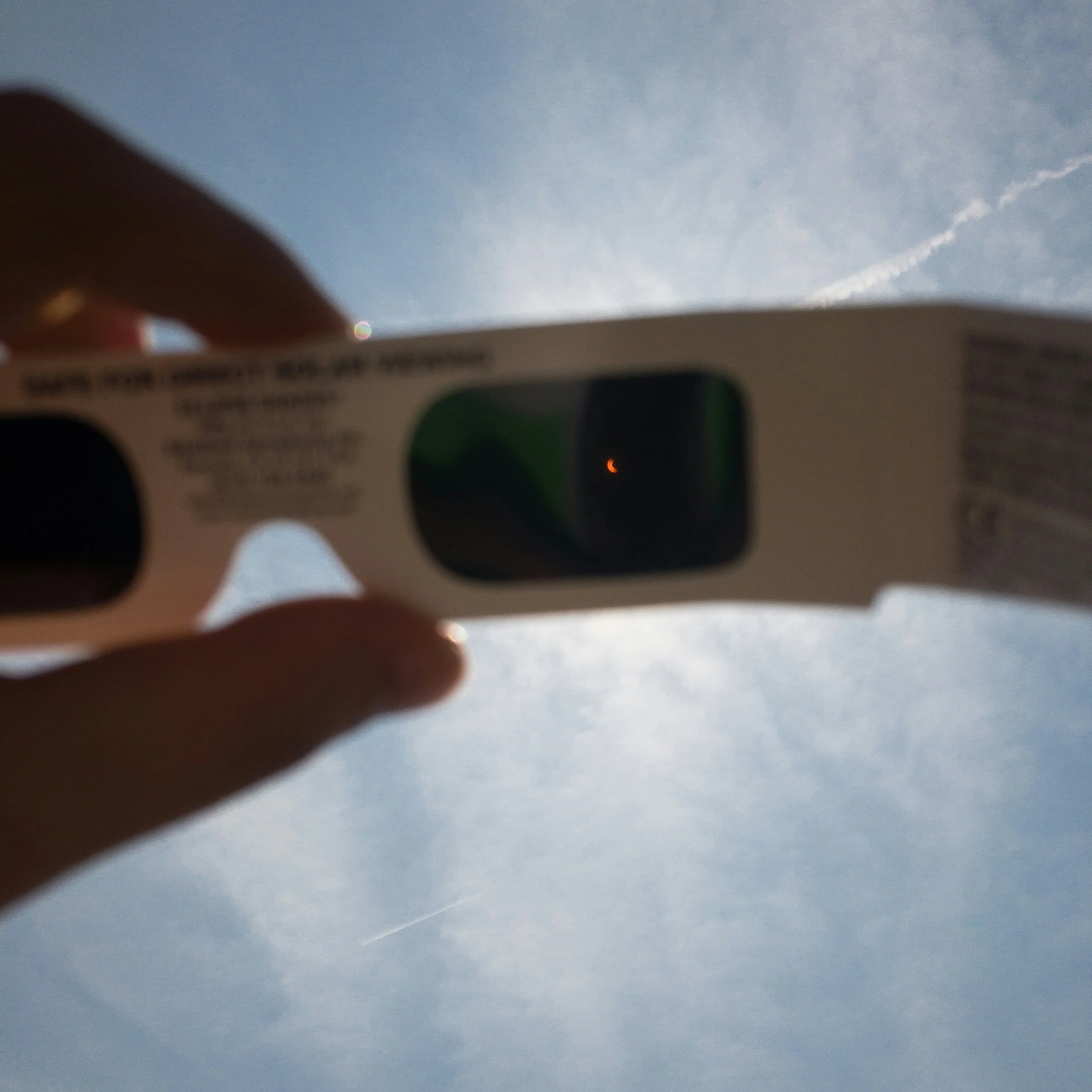
The eclipse happens on a Wednesday evening in peak August. Roads into smaller towns along the path will be chaotic. If you're not driving in early, take the train. Book accommodation well in advance, as hotels within the path will fill up quickly and prices in northern Spanish towns are already climbing significantly. Get eclipse glasses certified for solar viewing and scout your horizon the day before. A low hill you didn't notice on Google Maps will ruin it.
This is one of those events that, if you're already living in Spain, you genuinely have no excuse to miss.