Photography for Musicians: How to Tell Your Story Visually
I wish I had read something like this while going through this experience for the first (or second or third or fourth time.. as a musician).
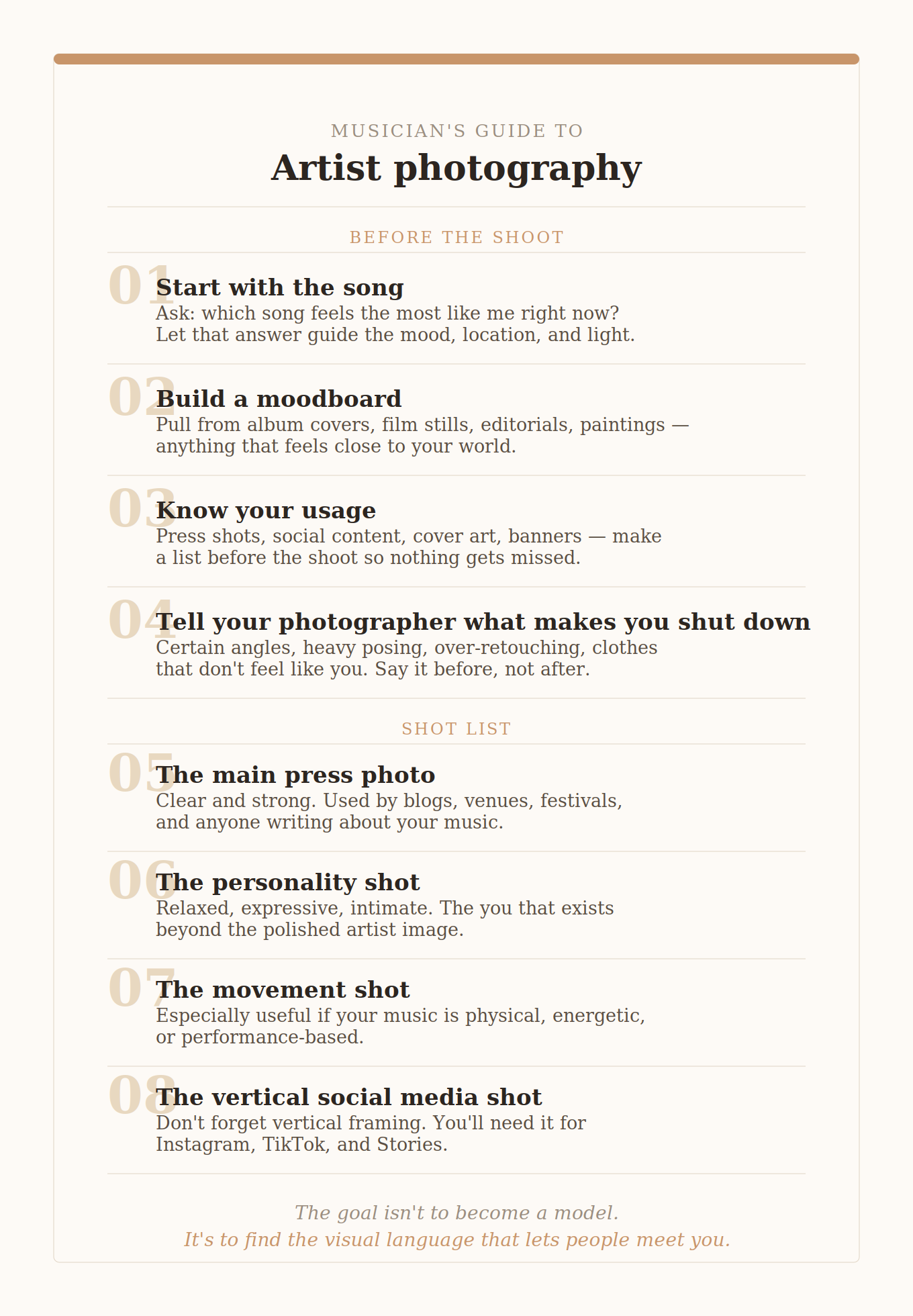
A strong artist photo isn't just a nice picture. It tells people what kind of world they're stepping into.
Before someone listens to your song, they might see your press photo. Before they buy a ticket, they might see your poster. Before a playlist curator, journalist, or booker clicks play, they're already receiving visual information about who you are.
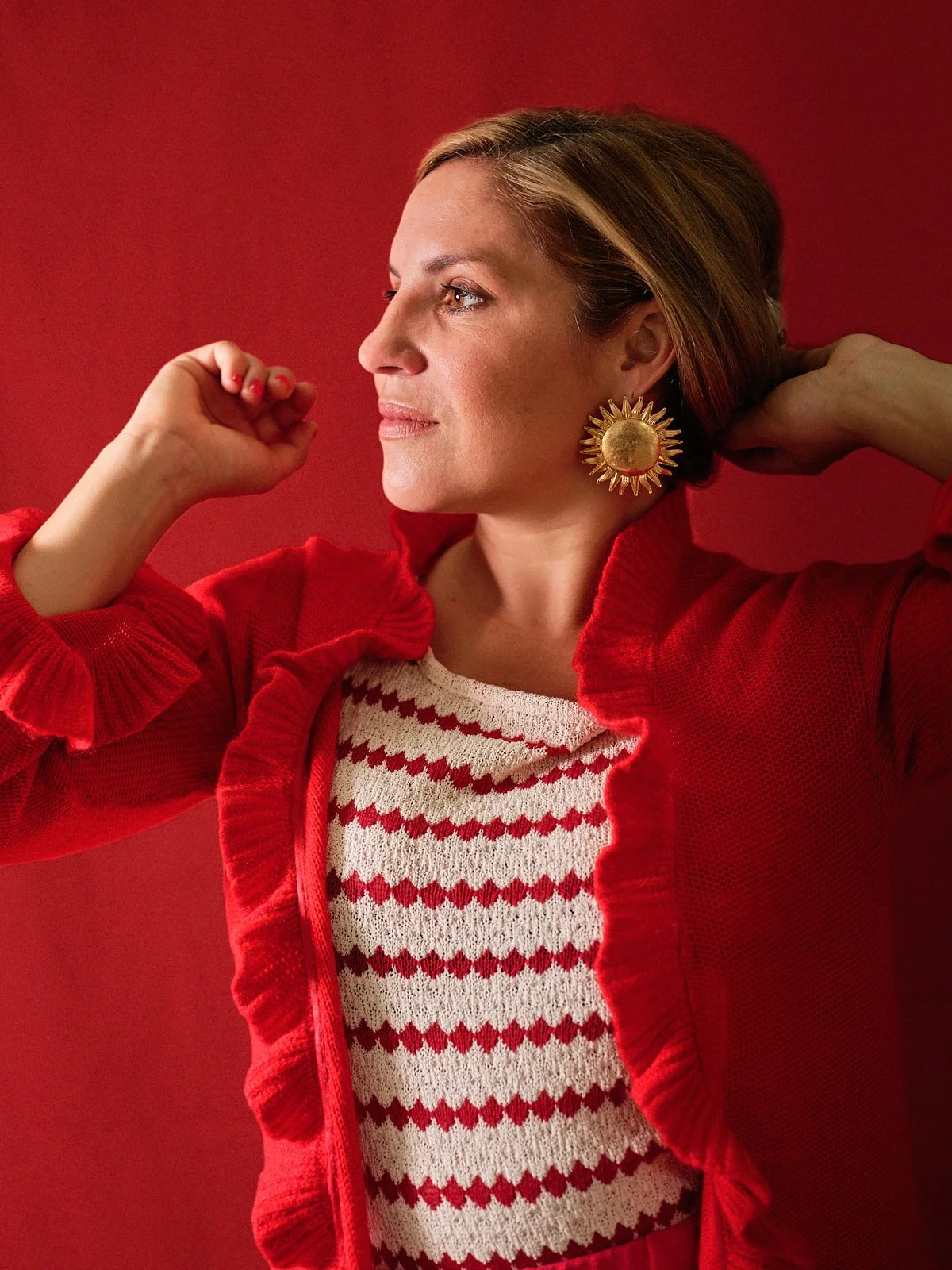
That doesn't mean every musician needs to look polished or perfectly branded. In fact, the best artist photography usually does the opposite — it makes you feel more human, more specific, more memorable. It communicates the emotional world of your music, your personality as an artist, the atmosphere of a project, and the story behind the sound.
It's not about creating a fake version of yourself. It's about helping people see the part of you that's already in the music.
Start With the Song, Not the Pose
One of the most useful things Taylor brought up was the idea of starting with the song itself — before thinking about locations, outfits, or poses.
Ask yourself: which song feels the most like me right now? Not the most commercial one. Not necessarily the newest. The one that feels closest to the truth.
Then go deeper. Why did I write it? What emotion does it carry? If this song were a place, where would it be? If it were a still image, what would be in the frame?
This might sound abstract, but it's actually very practical. Those answers can help you choose the location, styling, lighting, and mood of your shoot. A sad song doesn't always need a sad photo. A joyful song doesn't always need bright colors. But your visuals should be in conversation with the emotional truth of the music.
Build a Visual World Around the Feeling
When I asked Jahel about her process, she talked about the importance of listening and understanding the artist before deciding how to photograph them. She mentioned a shoot with a band playing Afro-Puerto Rican and Afro-Caribbean music — for that project, the visual work started before the camera came out. They built a set, thought about the light, and considered the energy and identity of the people they were photographing.
That's such a good reminder. Your shoot doesn't begin when you arrive on location. It begins when you start asking what the music is really trying to say.
The Photographer Is Not Just Taking Your Picture
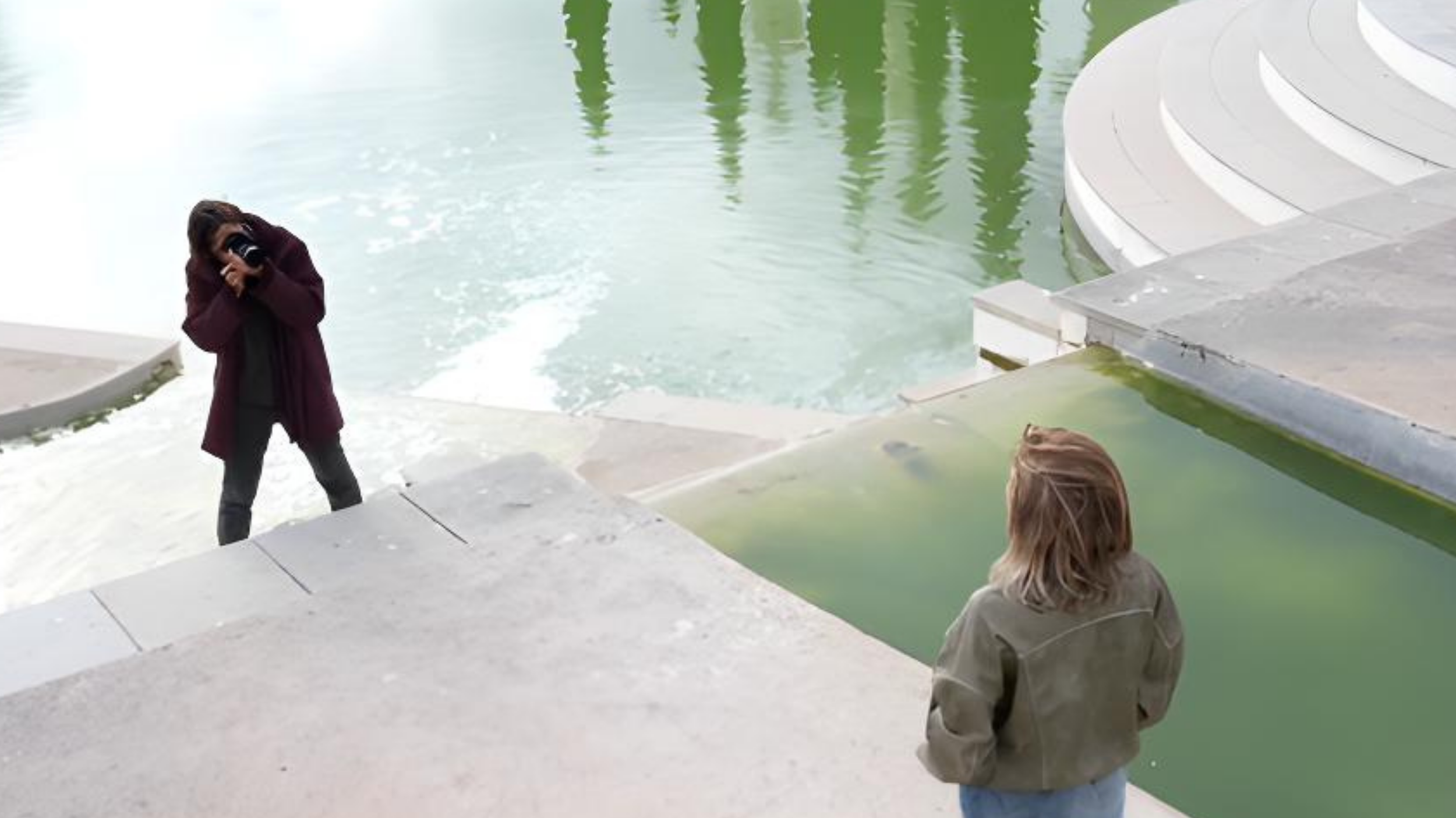
One of the biggest lessons from this conversation: the right photographer isn't just there to make you look good. They're there to help you feel safe enough to be seen.
After filming this episode, I ended up working with Jahel myself — this interview was actually the first time we met. The shoot worked beautifully not only because she's talented, but because she made me feel heard and comfortable before, during, and after. That changed everything.
When you're nervous in front of a camera, trust isn't a bonus. It's the foundation.
A good photographer will pay attention to your energy, notice when you're uncomfortable, and help you move through the awkwardness instead of making you feel bad for having it. For musicians, that's often the difference between photos that feel stiff and photos that actually feel alive.
How to Choose the Right Photographer
When looking for a photographer, don't only ask whether their photos are technically good. Ask whether the people in them look comfortable. Ask whether the images have emotion. Ask whether you can imagine being yourself around this person.
It's worth having a conversation before booking. You don't need to explain your whole life story, but you should feel like the photographer wants to understand your music, your goals, and your comfort level — not just the aesthetic.
Photography Is Part of Your Artist Identity
The more I work in music and culture, the more I believe visuals aren't separate from the music. They're part of the story.
A photo can give a song a doorway. It can help someone understand the world you're building, make a release feel more complete, and help you pitch yourself more professionally while still feeling emotionally true.
The goal isn't to become a model. It isn't to perform confidence you don't feel. It's to find the visual language that lets people meet the artist behind the sound.
And sometimes that starts with finding one person behind the camera who makes you feel safe enough to be honest.