
How to Give Back Through Music, Even If You’re Not a Musician
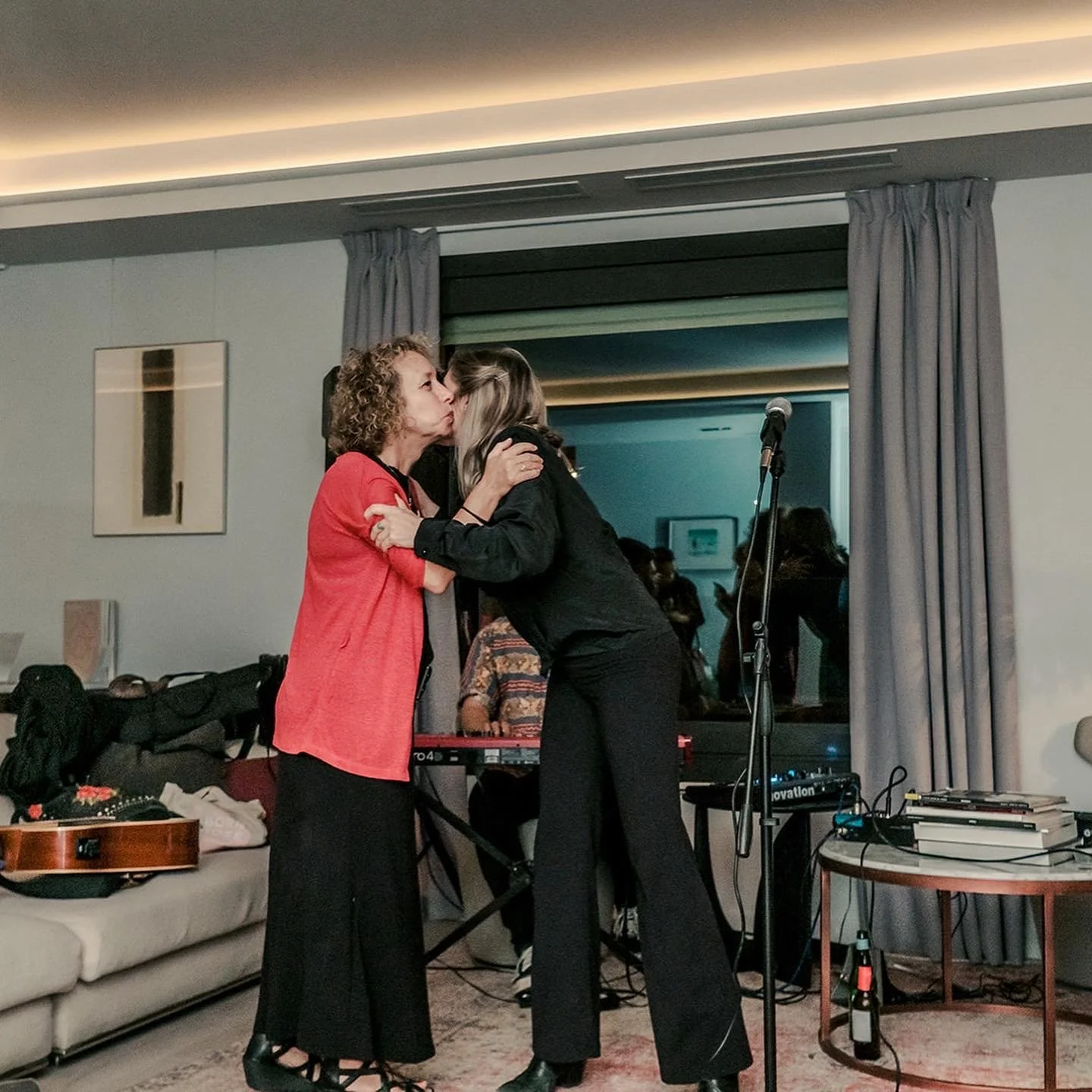
Music has always had a strange ability to move people.
It can make you cry in the middle of a supermarket. It can make a room full of strangers sing the same words. It can help you process something you didn't know how to say out loud yet.
But music can also do something else. It can help people.
In this episode of The Weekly Mag, I explored how music can become a catalyst for change — not only for artists, but for fans, listeners, and anyone who wants to feel like they're contributing to something bigger. I sat down with the team from Iguality, a Barcelona-based NGO working to make mental health care more accessible, and visited Camboya Studio, a creative space where artists record, collaborate, and think about how their music can support causes they care about.
Because giving back through music doesn't have to mean organizing a massive festival or having a huge platform. Sometimes it starts with one song. One event. One stream. One person deciding to use what they have.
Why Music Works So Well for Social Impact
One of the reasons music is such a powerful tool for change is that it doesn't feel cold or distant.
You can read statistics about a cause and understand that something matters. But music makes you feel it. It creates an emotional bridge — and that matters, because people are more likely to care when they feel connected. A song, a live performance, or a creative event can make a cause feel human, not abstract.
When I spoke with the team from Iguality, they explained that their mission is to make mental health support accessible to everyone. They see a real gap in the public system in Catalonia and Spain, and their work is about helping people access care who might otherwise be left without support.
That immediately made the connection to music feel clear. Mental health isn't only something we talk about in clinical language. It's something people carry in their bodies, their stories, their relationships — and sometimes, their art.
Giving Back Through Music Isn't Only for Artists
A lot of people hear the phrase "music for good" and assume it's only for musicians. But fans are part of the ecosystem too.
If you've ever bought a ticket to a benefit concert, shared a fundraising song, streamed an artist who donates royalties, volunteered at an event, or invited a friend to a charity show — you've already participated in music-led impact.
The beautiful thing is that there are different levels of involvement depending on where you are in your life.
As a musician, you can donate a percentage of royalties, play a benefit concert, partner with an NGO, or use your platform to raise awareness.
As a fan, you can stream songs connected to causes, buy tickets to charity events, share campaigns, or simply show up.
As a creative professional, you can offer photography, video, design, production, studio time, or event support to artists and organizations doing good work.
As a person in the world, you can pay attention, talk about causes that matter, and choose cultural experiences that also support community.
Giving back doesn't always have to be dramatic. Sometimes it's just choosing to direct your attention, money, creativity, or time toward something meaningful.
How NGOs and Artists Can Work Together
One of the things I loved hearing from Iguality was how artist partnerships can create community, raise awareness, and generate funds all at once.
They shared the example of a collective of ceramicists who reached out to donate pieces and organize an auction. The event brought together more than 60 people, spread the word about Iguality's work, and created a real moment of connection around the cause. That's a model musicians can learn from.
A partnership doesn't have to be complicated. It just has to be thoughtful. An artist could dedicate one show to a local NGO, donate part of ticket sales, invite an organization to speak briefly at an event, release a limited merch drop for a cause, or organize a small listening party or open mic night.
The key is alignment. The cause should connect naturally to the artist, the audience, or the emotional world of the music. When that connection is real, people feel it.
Music and Mental Health Belong in the Same Conversation
Something that stood out in my conversation with Iguality was the role of creative therapies — including art therapy and music therapy.
They explained that therapy doesn't always have to happen through verbal language. For some people, especially those dealing with trauma, expression can come through singing, writing a song, playing an instrument, or other creative forms.
That resonated, because so many musicians already understand this intuitively.
We write songs because sometimes talking isn't enough. We listen to music because sometimes someone else's lyrics say the thing we can't. We go to concerts because sometimes being in a room with other people feeling the same thing helps us feel less alone.
Music isn't a replacement for mental health care. But it can be part of a larger culture of expression, connection, and healing — and when organizations like Iguality work to make that care more accessible, artists and fans can help amplify the mission in a way that feels genuinely human.
Where Creativity Meets Purpose
After speaking with Iguality, we visited Camboya Studio in Barcelona to explore another side of the story — the creative spaces where music actually gets made.
Studios aren't just technical places. They're emotional ones too. They're where ideas become songs, where artists experiment, doubt themselves, try again, and slowly turn a feeling into something other people can hear.
That's why the idea of connecting recorded music to a cause is so powerful. A song keeps moving long after the session ends. It gets streamed, shared, discovered — and becomes a small, ongoing engine for impact.
For an artist, that can be a simple but meaningful way to give back. Not every song has to become a campaign. But if there's a cause that genuinely matters to you, your music can become one more way to support it.
Small Ways to Start
If you're a musician: Choose one cause you actually care about — not the one that sounds most impressive, but the one that feels connected to your life or community. Then start small. One release. One show. One donation link in your bio during a campaign.
If you're a fan: Support artists doing purpose-driven work. Stream the song. Buy the ticket. Share the post. Bring a friend. Talk about the cause after the event. Culture moves through people — the more who participate, the more energy the cause receives.
If you're a creative: Offer what you're good at. Photographers, designers, producers, writers, and event organizers all have skills that can help a cause become more visible. You don't always have to give money. Sometimes your skill set is the gift.
If you're an NGO: Think about artists as community-builders, not just entertainment. Musicians can create emotional connection, bring people into a room, and make a campaign feel alive. The most effective partnerships treat the artist as a collaborator, not a backdrop.
One Song, One Action at a Time
You don't need to save the world with one song. But you can let one song participate in something good.
Stream from your couch. Show up to a benefit concert. Donate royalties. Offer your creative skills. Build an event around a cause you believe in. Not every action has to be huge to matter.
Music already brings people together. The question is what we do with that togetherness.
Maybe the answer starts small. One song. One action. One room full of people who care.
And maybe that's already a movement.
Featured in this episode: Tia Einarsen · Beats for Relief · Iguality · Camboya Studio Barcelona
Filmed for The Weekly Mag — reporting on music, culture, creativity, and the people shaping Barcelona's creative scene.