
The 2026 Solar Eclipse in Spain: Everything You Need to Know Before You Go
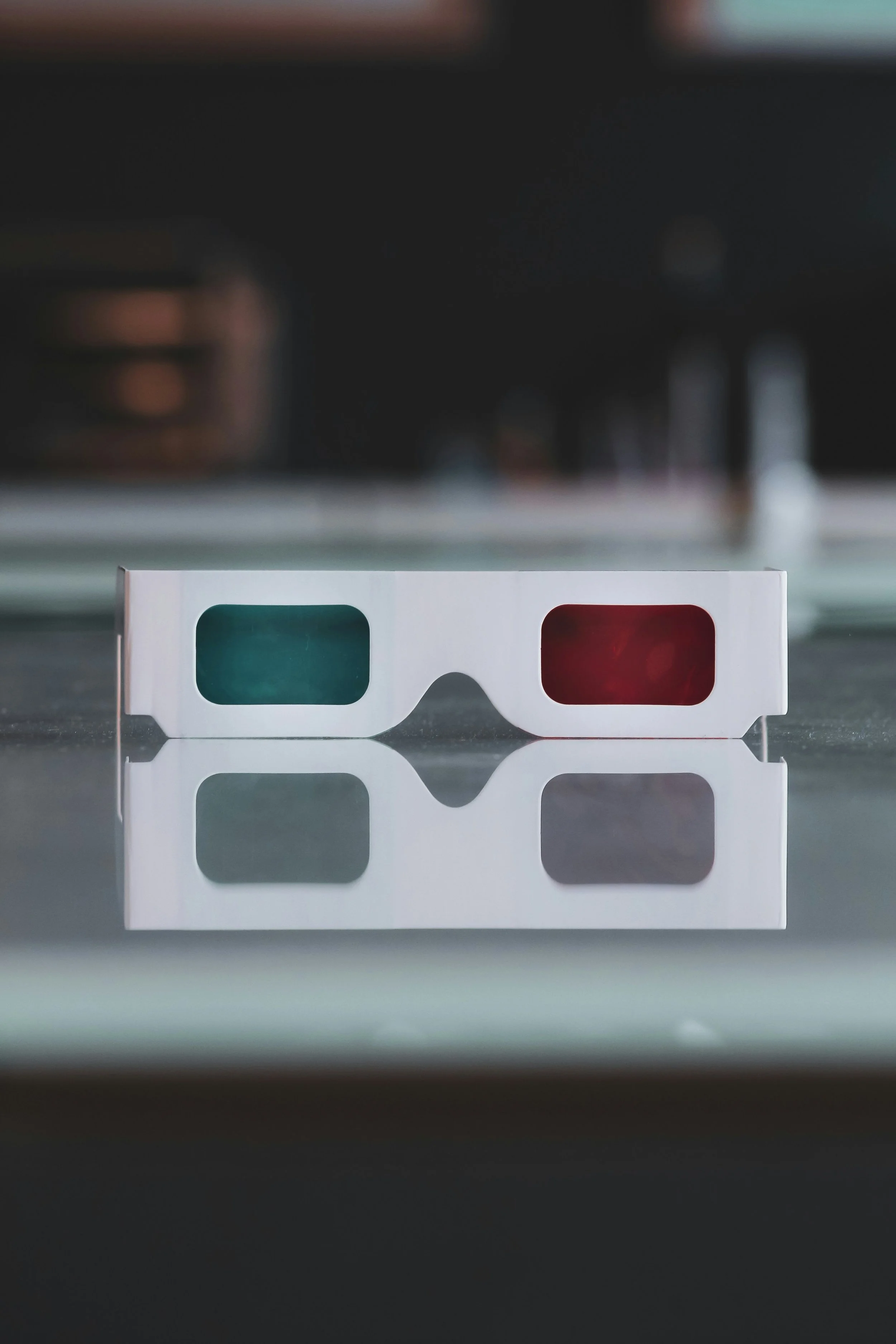
On August 12, 2026, Spain hosts what astronomers are already calling the Great Spanish Eclipse. This will be the first total solar eclipse visible from mainland Spain since 1905, and the first of three solar eclipses visible from the country between 2026 and 2028. If you're in Europe and you're not already making a plan, this is your sign. ESA
I've been living in Barcelona for years and watching this one build on the horizon (literally). Here is everything you need to know before you go.
What is actually happening on August 12
A total solar eclipse occurs when the Moon aligns perfectly and completely covers the Sun's disk. Within the path of totality, day turns into night for a few minutes and the solar corona becomes visible. Outside the path of totality, a partial eclipse is observed. Astromo
The difference between a partial eclipse and a total eclipse is, well, like day and night. During a partial eclipse, you can use eclipse glasses to watch as the moon passes over the sun, but since it won't totally eclipse the sun, the sky will remain bright. This is the single most important thing to understand before you book anything. Being in the 99% zone feels like it should be almost as good. It isn't. You need to be in the path of totality. Outside Online
What makes this eclipse unusual
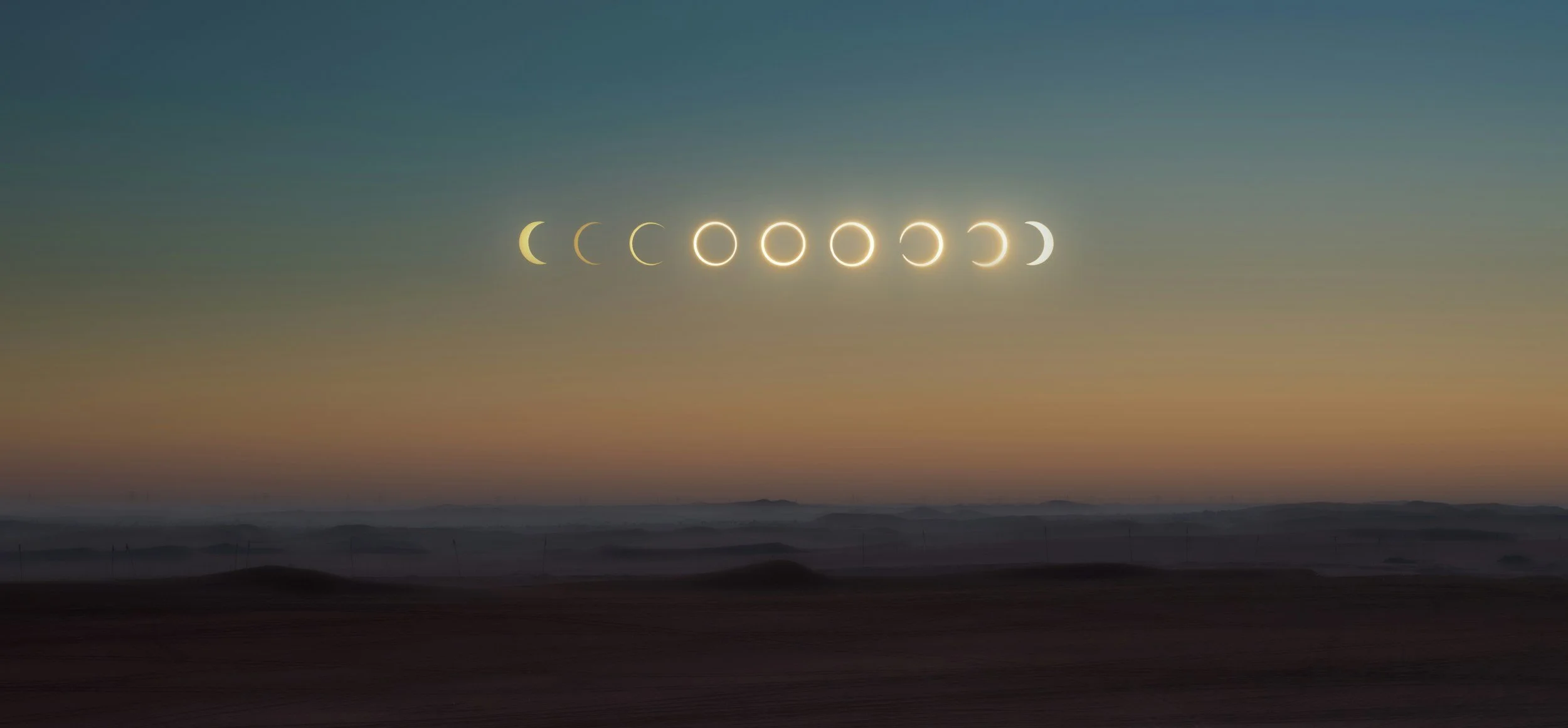
On Wednesday, August 12, 2026, the Sun will set very differently over Spain. For the first time in more than a century, a total solar eclipse will sweep across the Spanish mainland, turning day to twilight for a couple of unforgettable minutes in the north.
The timing is what makes it visually extraordinary. The eclipse happens at sunset, meaning totality occurs with the sun low and orange on the western horizon. Because the eclipse occurs late in the day, those watching in Spain will witness totality low on the western horizon, creating incredible opportunities for dramatic landscape photography and a breathtaking sunset eclipse. Zendar Universe News
The 2026 eclipse's totality strip in Spain is unusually wide, spanning 290 kilometers, making it an extraordinary event for observers. The path enters from Galicia in the northwest and moves southeast through Asturias, Burgos, León, Zaragoza, and out over the Balearic Islands.
The path of totality: key cities and timings
Key timings for major Spanish cities: Burgos sees totality at 20:28 CEST for around 1 minute 43 seconds. León sees totality at 20:26 CEST for around 1 minute 45 seconds. Bilbao observers will see the sun completely covered at 20:27 CEST for roughly 1 minute 21 seconds.
Zaragoza will experience approximately 1 minute 42 seconds of totality around 20:29 local time, with the Sun relatively low on the western horizon. Spaineclipses
Zaragoza is widely considered the best overall base on the mainland, combining strong totality duration with the highest clear-sky probability of any major city on the path. From Barcelona, it's 90 minutes on the AVE. From Madrid, it's 75 minutes. There is genuinely no excuse not to go.
Where to base yourself
The path of totality is well served by major cities, which means you don't need to rough it in a field to see this properly. Here are the main options with hotel links:
Zaragoza is the top pick for accessibility and weather odds. Stay at the NH Collection Zaragoza Gran Hotel, Palafox Hotel, or Hotel Sauce for a central base within walking distance of the best viewing spots.
Burgos puts you on the flattest horizon on the meseta with some of the longest totality on the path. The NH Palacio de Burgos and Mesón del Cid are both excellent.
León is a beautiful cathedral city with solid infrastructure and open countryside nearby for horizon-hunting. The Parador de León inside the San Marcos monastery is one of the most remarkable hotels in Spain and puts you perfectly placed.
Mallorca has the best weather odds of anywhere on the path, around 75% clear skies, and offers a sunset eclipse over the Mediterranean. Cap Rocat and Son Brull Hotel & Spa are the standout properties.
Book refundable hotel rates so you can adjust your location if forecasts shift in the days before August 12. Hotels in the path of totality are already filling up and prices are climbing. Wego Travel Blog
Eclipse glasses: buy them now
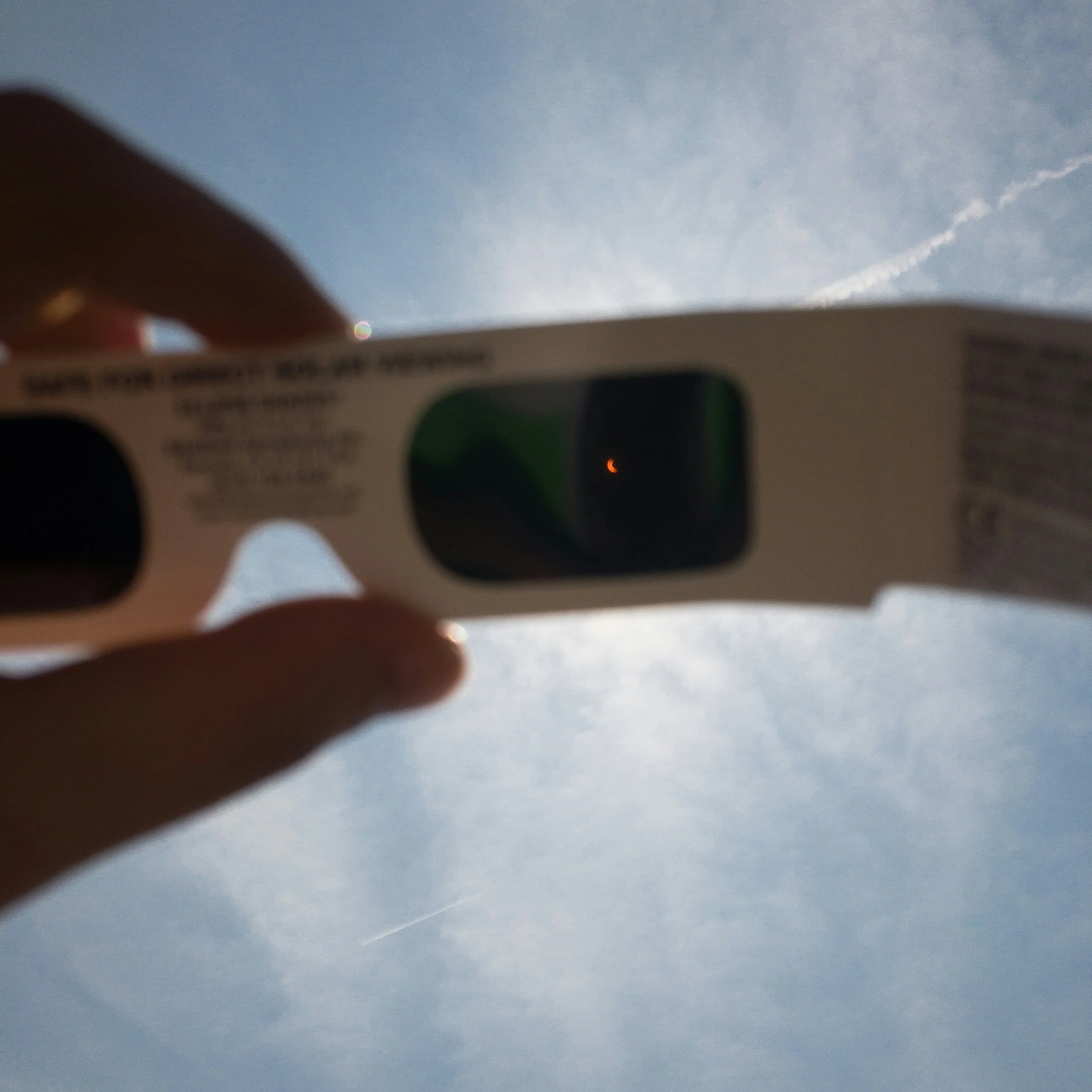
Regular sunglasses are not safe for observing a solar eclipse. To watch the eclipse safely, always use certified eclipse glasses that meet the appropriate safety standards and wear them at all times during the partial phases. ESA
During the brief moments of totality, and only during totality, it is safe to remove your glasses and look at the Sun's corona with the naked eye. You must put your glasses back on the exact moment the Sun begins to re-emerge from behind the Moon. Zendar Universe News
Buy eclipse glasses well in advance. Leading up to the Great American Eclipse, these safety spectacles became hard to find, so buy them early before any worldwide shortage or price hike kicks in. Look for ISO 12312-2 certification on the packaging. Outside Online
How to photograph it
The low sun angle is actually your friend here for photography. Because the eclipse will be low on the horizon, incorporate interesting foreground elements like mountains or historic architecture into your wide-angle shots. The Basilica del Pilar in Zaragoza, the cathedral in Burgos, and the Malvarrosa beachfront in Valencia are all exceptional backdrops. Zendar Universe News
You'll need a solar filter on your camera lens for the partial phases. During totality you can shoot without one, but the window is short. Practice the settings beforehand. Most people who try to photograph their first totality spend the whole 90 seconds fiddling with their phone and miss the actual experience. Decide in advance whether you're photographing or watching and commit to one.
What totality actually feels like
No description fully prepares you. The light changes in a way that doesn't feel like dusk — it gets greenish and strange. Animals go quiet. The temperature drops noticeably. Then the last sliver of sun disappears and the corona appears, a halo of white light you cannot see any other way. The horizon glows orange in every direction because you're standing inside the shadow but the edges of it are lit. Then it's over.
For a few minutes, day will turn into night and the sky will reveal a glowing ring of light. It's a rare, unforgettable scene. CaminoWays
August 12, 2026 is a Wednesday. Spain will experience the largest area of totality in Europe and the continent won't see anything like this again for years. If you're reading this from Barcelona, from Madrid, from anywhere in Europe — start planning now.